Making Sourdough Work for You, and Not the Other Way Around, a series. Part 1
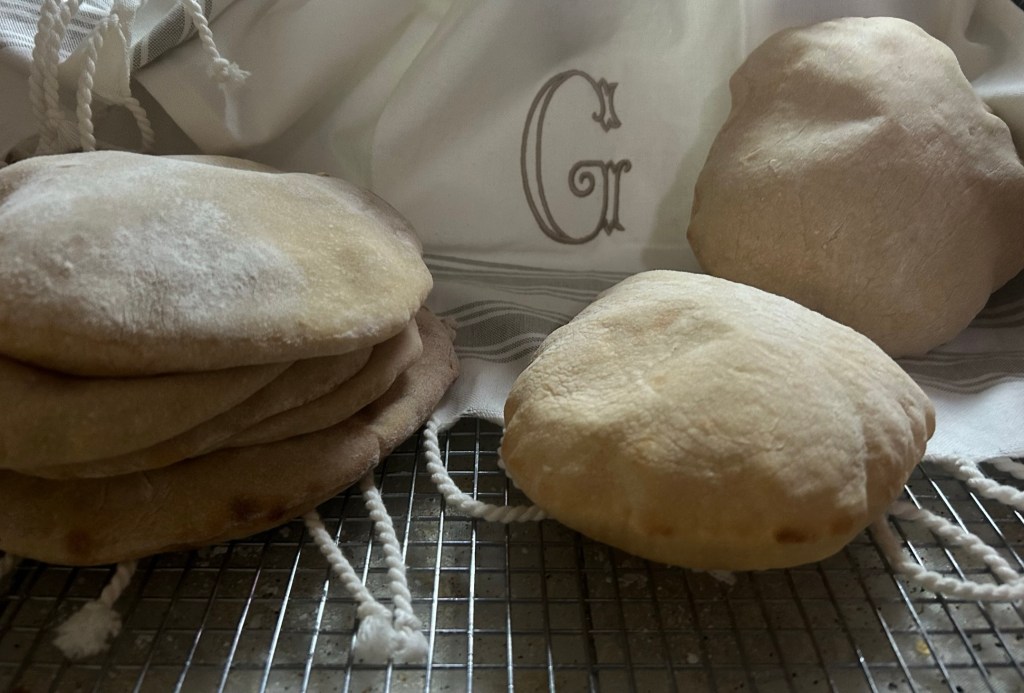
I’ve been making sourdough for several years now, and because I’ve been working with sourdough for so long, I’ve developed a method that works for me. I hope it helps you develop a method that works for you! Please don’t get me wrong, I still make under-proofed, over-proofed and flat loaves from time to time, but they still taste great, they are just look a little different. More often than not, the majority of those loaves, work out well. I see sourdough as a metaphor for life, some times we fall down, but even when we’re down, we still have so many supporters, we eventually get back up, and keep moving forward.
The best thing about sourdough is it’s adaptability, being molded into a standard loaf of bread to it’s use in brownies, cakes and muffins, and it all starts with a powerful starter. This post isn’t about building a starter, I’ll link a post about building a starter here, once I’ve written one. For now, we’ll focus on maintaining a powerful sourdough starter that works for you and your schedule. This starter works well in standard sourdough loaf recipes and in the surplus of sourdough discard recipes.
I could go on and on about how wonderful working with sourdough is, how rewarding, but this post and this series is all about making sourdough work for you, and not the other way around. When I began the promenade with sourdough, I worked for it. I stressed and worked tirelessly to remember to feed it daily or twice a day, if I was baking, and religiously discarding, or throwing out half. I was afraid to refrigerate the starter, as I everything I read, said my starter would cross the rainbow bridge and I would have to start over. Further, I got tired of wasting so much flour and water, every time I discarded. It was exhausting, especially because I only actually baked once a week.
In reality, my sourdough baking and the health of my starter has improved, since I started making the sourdough work for me. Lets get going with my process!
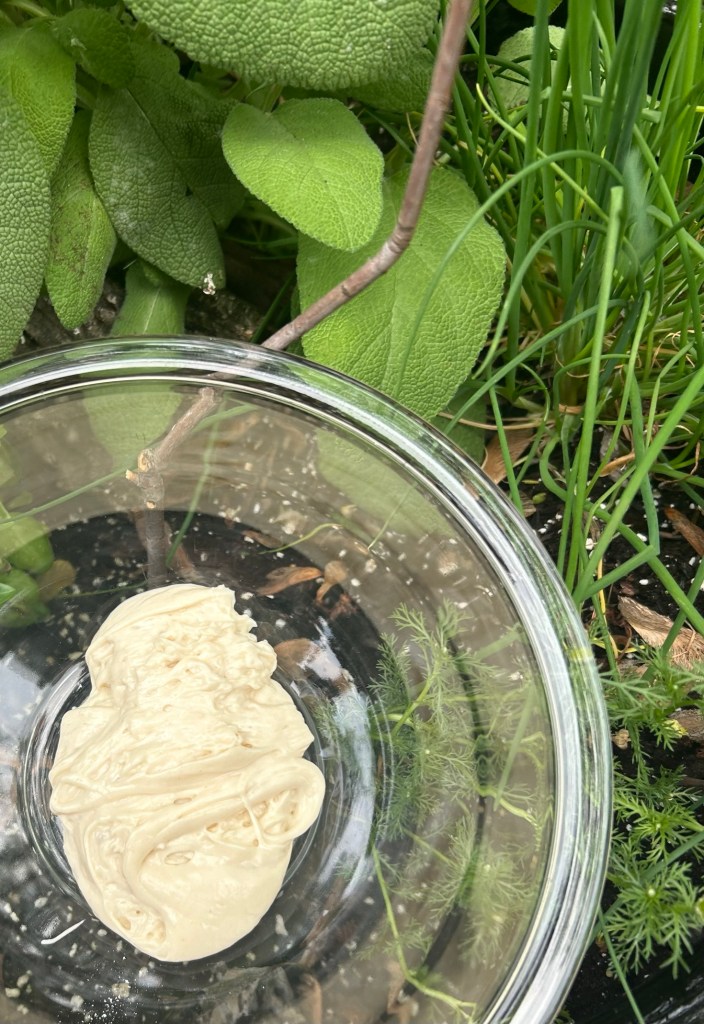
- I refrigerate my starter 4-5 days a week. By refrigerating the starter, all that happens is the slowing down of the feeding process of the natural yeasts. Nothing more and nothing less. I bake 2 loaves, 2 batches of English Muffins (16 muffins), and pita breads (8) or 2 loaves of sourdough discard banana bread, every week. As a result of how much I bake, I maintain 2 starters, just to make baking everything easier. Around the holidays, I bake more, and the amount of time my starters live in the fridge is greatly reduced.
- The day before, I want to make my weekly bakes, I take the starter out of the refrigerator, feed it, and let it sit on my counter for 11 1/2 hours, while I am at work. When I feed give each starter 1/3 cup all purpose flour and 1/3 cup warm water. I use tap water, and in my area, tap water works perfectly fine. However, in some areas, tap water is hard, softened, contaminated or otherwise not safe to drink, if that is the case for you, use spring water or other drinking water, gently heated to 100-110 F.
- Once I’m back home, I get my loaves, you can see my sourdough bread recipe (link coming soon), and the English Muffins (link coming soon) together. This is a whole process and I only have space for 3 recipes, save for discard recipes, at a time. Using the fed starter in these recipes, counts as discard, as far as keeping my starter is concerned.
- Not to muddy the waters, fed starter and discard starter are indeed different. Typically, discard starter is excess starter, that is tossed, to prevent the exponential growth of your starter, essentially keeping your starter manageable. Under other people’s starter maintenance, the discard happens before feeding the starter, making discard starter, unfed and hungry starter. In my process, we feed the starter, discard the fed starter into our bakes, feed again and refrigerate.
- Finally, that same night, I feed my starters and, refrigerate, if I’m not making sourdough discard banana bread. If I am making sourdough discard banana bread or any other sourdough discard recipe, I feed and refrigerate one starter and leave the other on the counter, unfed, overnight.
- The next day, I finish following the bread loaf and English Muffin recipe instructions, that I prepared the night before. If I’m making a sourdough discard recipe, I use the starter I left on the counter and otherwise, follow the recipe’s instructions. I then repeat step 4, with the second starter.
That’s it.
I realize it may seem complicated, but I promise, it’s easy. Let me break this down further, by giving you a total breakdown of my days.
Day 1, yesterday June 12, at 4:30 am: I take my starters out of the refrigerator and feed them. To feed my starters, I give each starter 1/3 cup all purpose flour and 1/3 cup warm water. I then leave them on the counter, with the lids slightly ajar. Then I’m off to work for 10 hours.
Day 1, yesterday June 12, at 5:00 pm: When I get home, I check my starters, typically they have doubled in size, which is exactly what I want to happen. Occasionally, typically in the winter, my starters will not have doubled in the time that I have been at work, it’s rare that this happens, but it does happen. Next, I get the 2 loaves and 1 batch of English Muffins together, following the recipe instructions.
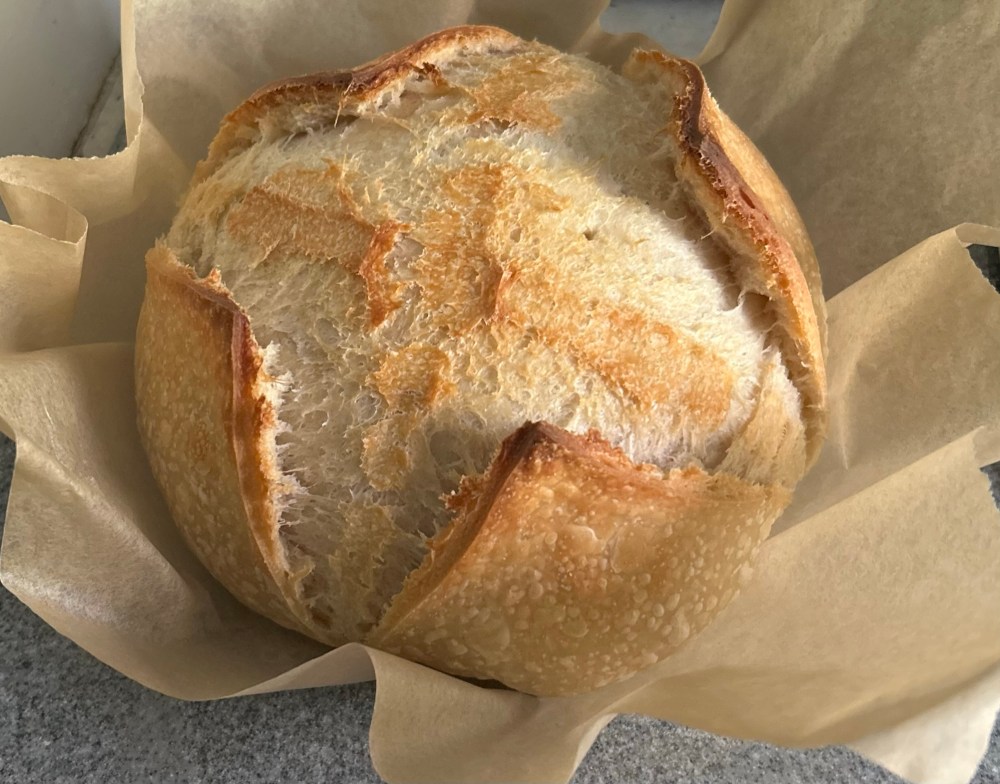
Day 1, yesterday June 12, at 6:30 pm: I fed one of the starters and put it into the fridge, leaving the other one on the counter. I continued to maintain the loaves and English muffins, before going to bed.
Day 2, today June 13, at 6:45 am: I check on my loaves and English Muffins, I continue following the respective recipe instructions. Typically, after a nights rest, the loaves are ready to be shaped and then refrigerated, and the English Muffins are ready to be shaped into muffins and left to short ferment on the counter for about 4 hours. I also checked my starter and it had decided to double, again, so I opted to make some Pitas today too, rather than making banana bread. I then, fed my second starter and put it away in the fridge.
Day 2, today June 13, at 11:00 am: I make the English muffins, according to the recipe instructions, in between checking on my pita dough.
Day 2, today June 13, at 4:00 pm: I shape and bake the pitas. While I was waiting for the pitas to rise, I worked on writing this blog, and creating some other recipe ideas.
That is it.
Remember to make your sourdough work for you, and not the other way around!
 Veronica Cultivating Life
great post – thanks !!
Download 50 Amazing Keto Recipes –> http://www.ketokingrecipes.wordpress.com
LikeLiked by 1 person